
Table of Contents
- The Short Answer: Do US Citizens Need a Visa for Malta?
- Malta and the Schengen Area
- The 90/180-Day Rule Explained
- ETIAS: What Is Changing for US Travelers
- The New Entry/Exit System (EES)
- Passport and Document Requirements
- What Border Officials May Ask to See
- How to Enter Malta: Step by Step
- Do You Need a Visa for Longer Stays or Work?
- Getting to Malta From the USA
- How Privilege Trips Makes Your Malta Trip Effortless
- Frequently Asked Questions
- Conclusion
If you are planning a trip from the United States, one of the first things to sort out is the paperwork. So, do US citizens need a visa for Malta? The good news is that for a typical vacation, the answer is no. Malta is one of the easiest European destinations for Americans to enter, but there are still a few rules worth understanding before you fly, including the Schengen 90/180-day rule and a new travel authorization coming soon.
This guide breaks down exactly what US passport holders need to know about the Malta visa situation, passport validity, required documents, and what to expect at the border, so you can plan with confidence. Whether you are visiting for sightseeing, relaxation, or a luxury holiday in Malta, understanding these entry requirements will help you enjoy a smooth and hassle-free journey.
Do US Citizens Need a Visa for Malta?
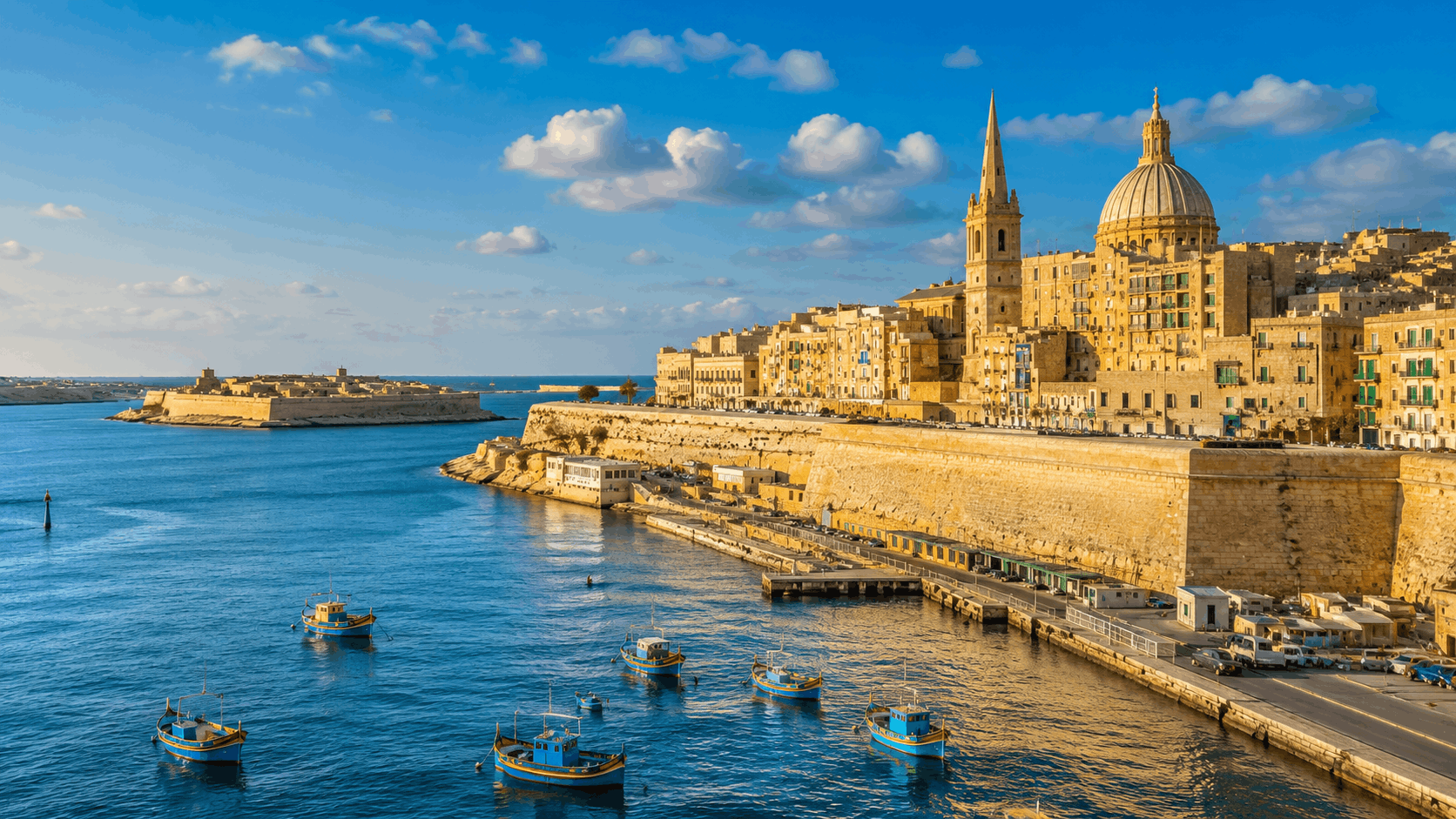
No, US citizens do not need a visa for Malta for short stays. If you hold a valid US passport, you can enter Malta for tourism or business and stay for up to 90 days within any 180-day period without applying for a visa in advance. This is because Malta is part of the Schengen Area, and the United States has visa-free travel arrangements with it. You simply arrive with your passport and supporting documents, and you are ready to explore.
The only major change on the horizon is ETIAS, a quick online travel authorization that visa-exempt travelers will need once it launches. More on that below.
Malta and the Schengen Area
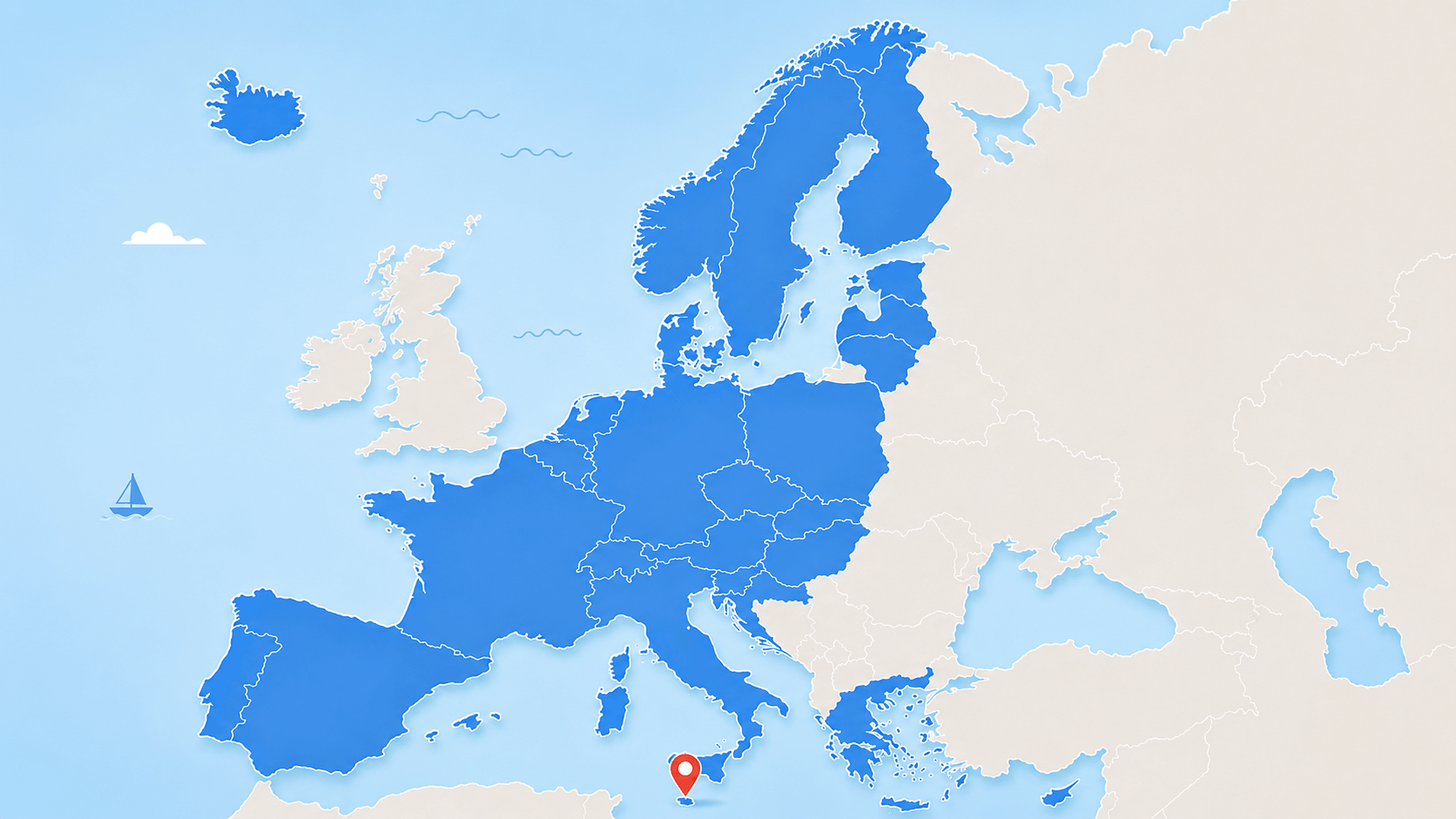
Malta is a full member of the Schengen Area, a zone of European countries that share a common visa policy and have no internal border controls between them. For US travelers, this means your visa-free entry is not just for Malta, it applies across the entire Schengen Area, which includes popular neighbors like Italy, France, Spain, Greece, and more.
The practical upshot is important: your allowed time is counted across all Schengen countries combined, not per country. If you spend time in Italy or Sicily before or after Malta, those days count toward the same 90-day allowance.
The 90/180-Day Rule Explained
The Schengen 90/180-day rule is the single most important thing for US visitors to understand. It works like this: you may stay in the Schengen Area for a maximum of 90 days within any rolling 180-day period.
That 90 days is cumulative across all Schengen countries. For example, if you have already spent 30 days in France and Italy earlier in the year, you would have only 60 days left for Malta and any other Schengen country during that same 180-day window. The 180-day period is a moving window, so border officials look back over the previous 180 days from your date of entry. For a standard Malta vacation of one or two weeks, you will stay comfortably within this limit, but it matters if you are combining Malta with a longer European trip.
ETIAS: What Is Changing for US Travelers

ETIAS (the European Travel Information and Authorisation System) is a new pre-travel authorization for visa-exempt travelers, including US citizens, entering the Schengen Area. It is not a visa, but it will be a required step once it goes live.
Here is what US travelers should know based on the latest information:
- Status: As of mid-2026, ETIAS is not yet live. Americans currently travel to Malta and the rest of Europe with just a valid passport, exactly as before. The system is expected to launch in late 2026, with the exact date still being confirmed by the EU.
- Cost: The fee is 20 euros per application (raised from the originally planned 7 euros). Travelers under 18 and over 70 are exempt from the fee.
- Validity: An approved ETIAS is valid for 3 years, or until your passport expires, whichever comes first.
- How it works: You apply online before you travel. Most applications are approved quickly, often within an hour, though it can take up to 96 hours, so you should apply well before departure.
Once ETIAS is active, you will need an approved authorization linked to your passport before boarding a flight to Malta. Until then, no action is required. Always check the official EU ETIAS website for the current launch date and rules.
The New Entry/Exit System (EES)
Alongside ETIAS, the EU is rolling out the Entry/Exit System (EES), an automated system that registers non-EU travelers when they enter and exit the Schengen Area. Instead of manually stamping passports, border points will record your name, travel document, and biometric data such as fingerprints and a facial image.
For US travelers, EES mostly means a slightly different process at the border, with self-service kiosks in many airports. It does not change your visa-free status or the 90/180-day allowance. It simply makes tracking entry and exit dates more accurate, which is another good reason to keep within your permitted stay.
Passport and Document Requirements
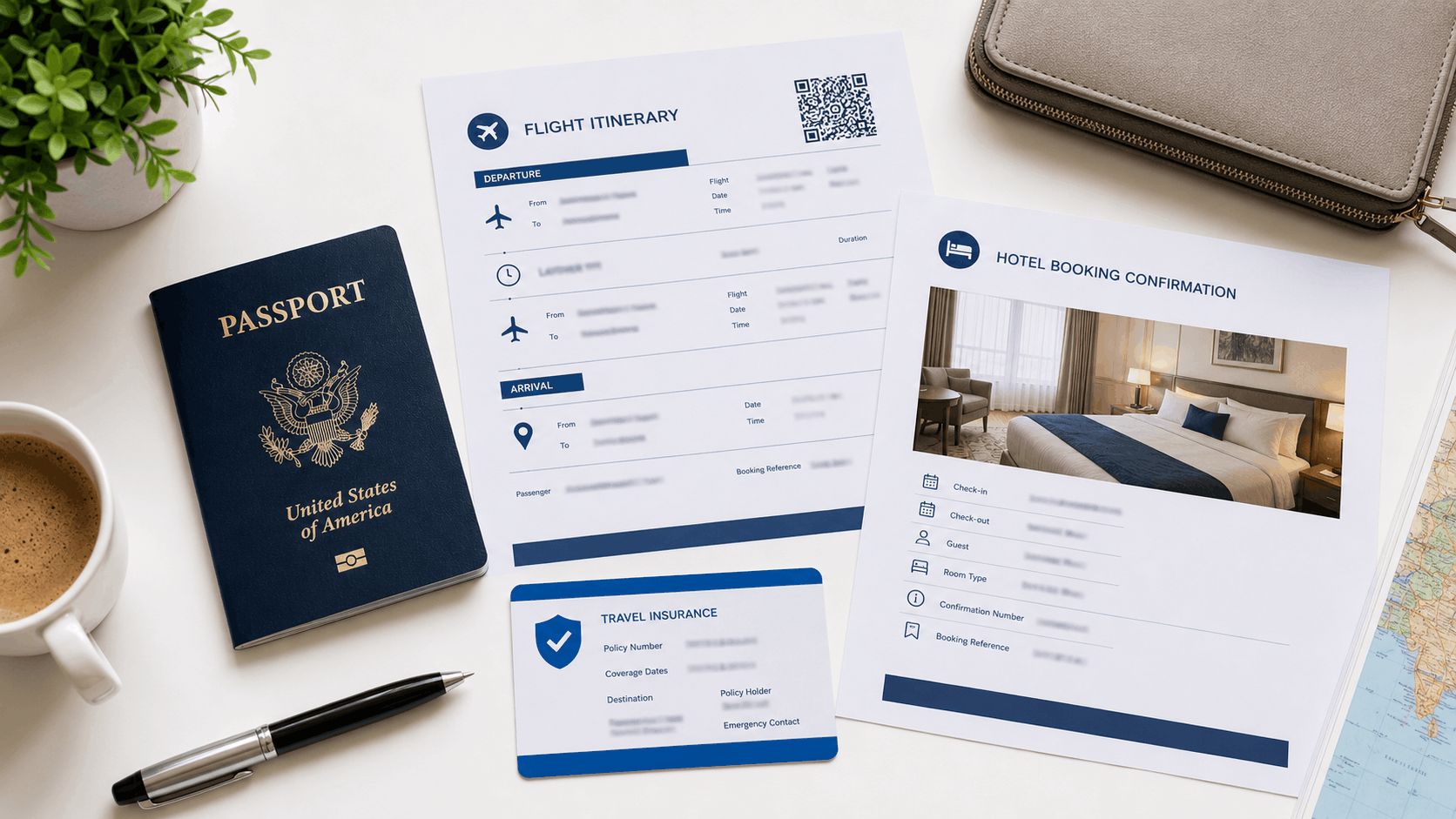
Even though no visa is required, you should arrive with the right documents. For US citizens visiting Malta, make sure you have:
- A valid US passport. It should be valid for at least 3 months beyond your planned departure from the Schengen Area, though 6 months of validity is strongly recommended to avoid any issues.
- Blank passport pages. Have at least one or two blank pages for entry and exit records.
- Proof of onward or return travel. A return or onward flight booking shows you intend to leave within the allowed period.
- Proof of accommodation. Hotel bookings, a rental confirmation, or a host address.
- Proof of sufficient funds. Bank statements or card access to cover your stay.
- Travel insurance. Not always checked, but strongly recommended. Coverage of at least 30,000 euros is a common guideline.
Minors traveling without both parents may need a notarized consent letter, so check the rules if you are traveling with children.
What Border Officials May Ask to See
In practice, entry into Malta is usually quick and straightforward for US passport holders. Border officials will scan your passport and may ask a few simple questions about the purpose and length of your visit. They can, however, request to see any of the supporting documents above, particularly proof of onward travel, accommodation, and funds.
The best approach is to have these ready and easily accessible, either printed or saved on your phone. Confirm the exact duration of your permitted stay with the officer when you arrive, and keep track of your entry date so you stay within the 90/180 window.
How to Enter Malta: Step by Step
- Check your passport validity. Ensure it is valid for at least 3 to 6 months beyond your planned departure and has blank pages.
- Book your flights and accommodation. Have your return ticket and lodging confirmed before you fly.
- Apply for ETIAS (once it launches). When the system is live, complete the short online application and wait for approval before departure.
- Prepare your documents. Carry proof of funds, accommodation, onward travel, and travel insurance.
- Arrive and clear immigration. Present your passport, answer a few questions, and confirm your permitted stay.
- Enjoy Malta. You are free to explore for up to 90 days within the 180-day period.
Do You Need a Visa for Longer Stays or Work?
The visa-free rule covers tourism and short business trips only. If your plans go beyond a standard visit, different rules apply:
- Staying longer than 90 days: You cannot simply hop between Schengen countries to reset the clock. For longer stays you will need a national long-stay visa or residence permit, applied for through the relevant authorities.
- Working in Malta: Visa-free entry does not allow you to work. A separate work permit or work visa is required, and you should apply well in advance.
- Studying or relocating: Long-term study and residence also require the appropriate national visa.
If any of these apply to you, contact the Maltese embassy or consulate before making firm plans.
Getting to Malta From the USA

There are no direct flights from the United States to Malta, so US travelers connect through a major European hub. Common routings go through cities like London, Rome, Frankfurt, Paris, Amsterdam, Istanbul, or Munich, with an onward flight into Malta International Airport (MLA), the country's only airport.
Total travel time from the US East Coast is typically around 12 to 16 hours including the connection, and longer from the West Coast. Booking your long-haul and connecting flights on a single itinerary can make baggage and any delays easier to manage. Once you land in Malta, everything is close: the airport is only a short drive from Valletta and the main coastal towns.
How Privilege Trips Makes Your Malta Trip Effortless

Paperwork is only the first step. Once your entry is sorted, the real goal is a smooth, memorable trip. As a luxury travel agency in Malta, Privilege Trips handles the details that first-time visitors often find tricky, from private airport transfers and well-located stays to curated tours of Valletta, Mdina, Gozo, and the Blue Lagoon.
Working with a local destination management company in Malta means your itinerary is planned around your interests and pace, with local guides who know the island inside out. Our luxurious group tours in Malta make it simple to see the highlights of both islands in comfort, so once you have cleared immigration, everything else is taken care of. You can call us on +356 7934 4855 or email us at [email protected].
Frequently Asked Questions
Do US citizens need a visa for Malta?
No. US passport holders can visit Malta without a visa for up to 90 days within any 180-day period for tourism or business. You only need a valid passport and supporting documents.
How long can US citizens stay in Malta without a visa?
Up to 90 days within a rolling 180-day period. This limit is shared across the entire Schengen Area, not counted separately for Malta.
Will US citizens need ETIAS for Malta?
Yes, once it launches. ETIAS is expected to go live in late 2026. It is an online travel authorization, not a visa, costs 20 euros, and is valid for 3 years or until your passport expires. Until it launches, only a passport is required.
How much passport validity do I need for Malta?
Your passport should be valid for at least 3 months beyond your planned departure from the Schengen Area, and 6 months is strongly recommended.
Are there direct flights from the USA to Malta?
No. You will connect through a European hub such as London, Rome, Frankfurt, or Paris, then fly into Malta International Airport.
Do I need travel insurance to enter Malta?
It is not always checked, but travel insurance is strongly recommended, with coverage of at least 30,000 euros as a common guideline.
Conclusion
So, do US citizens need a visa for Malta? For a normal vacation, no. A valid US passport lets you enjoy up to 90 days in Malta and the wider Schengen Area within any 180-day period, with no visa required in advance. Keep an eye on ETIAS, which will add a simple online step once it launches in late 2026, and travel with your passport, return ticket, and accommodation details ready.
With the entry requirements clear, the only thing left is to plan the trip itself. As a trusted luxury travel agency in Malta, Privilege Trips creates personalized private and group experiences that make your visit seamless from arrival to departure. When you are ready, we will help you turn the paperwork into a truly memorable Maltese holiday.