Table of Contents
- A Clear Shift in How Europeans Choose to Travel
- What “Small-Group Travel” Actually Means to EU Travelers
- Why EU Travelers Are Moving Away From Mass Tourism Models
- Why Malta Fits This Travel Style So Naturally
- The Role of Customization in Small-Group European Travel
- Why This Trend Is Stronger Among EU Travelers Than UK or Long-Haul Markets
- What This Shift Means for Planning a Trip to Malta
- Final Thoughts
A Clear Shift in How Europeans Choose to Travel
The landscape of European travel has undergone a fundamental transformation. In recent years, a distinct post-pandemic mindset has taken root among travelers from continental Europe, reshaping their expectations for leisure and discovery. There is a growing, palpable fatigue with the crowded, rigid tourism formats that once defined the Mediterranean holiday. The days of following a numbered paddle through congested corridors are being replaced by a deep-seated preference for control, pace, and, above all, privacy.
This shift is notably more pronounced in continental Europe than in Anglo-Saxon or long-haul markets. While some global travelers still prioritize "ticking off" a checklist of famous landmarks, the European traveler is increasingly seeking a sanctuary from the noise. This isn't merely about social distancing; it is about reclaiming the sovereignty of one’s time. They seek an environment where the itinerary breathes, allowing for the spontaneous detour or the extended mid-afternoon pause that mass tourism simply cannot accommodate.
What “Small-Group Travel” Actually Means to EU Travelers
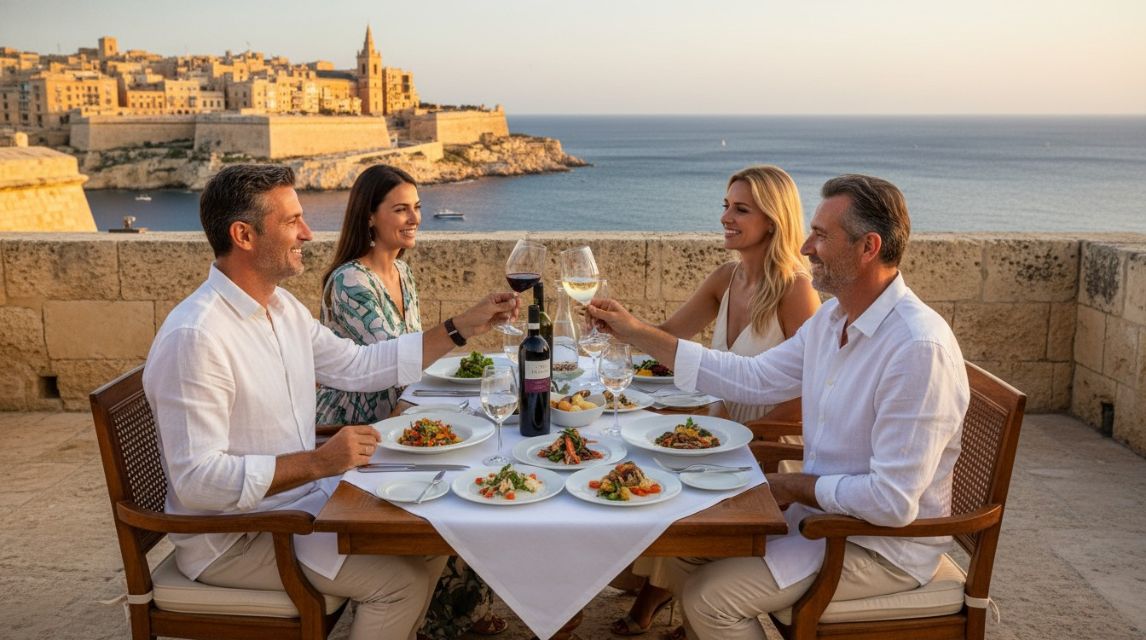
To understand this trend, one must first define what "small-group travel" represents in the modern European context. For the discerning traveler, a small group is not a "tour group" in the traditional sense; it is a social unit. It is comprised of friends, couples, or multi-generational families who wish to share an experience exclusively with those they know and trust.
The emphasis here is on the shared experience without the intrusion of external strangers. In European travel culture, there is a nuanced but vital difference between "private" and "exclusive". While exclusivity often implies high-end price tags, "private" refers to the integrity of the group’s dynamic. It is the ability to engage with a destination on one's own terms, free from the compromises required when sharing a vehicle or a guide with outsiders. At this level, travelers are moving away from pre-packaged services and standardized hotel blocks in favor of arrangements that prioritize the group's specific chemistry.
Why EU Travelers Are Moving Away From Mass Tourism Models
The move away from mass tourism is driven by a sophisticated mix of psychology and cultural evolution. There is an inherent cultural preference for depth over volume. Many Europeans, accustomed to frequent short-haul trips, no longer feel the need to see "everything" in one go. Instead, they want to feel "something" deeply.
Because vacation windows are often treated as sacred, time-efficient travel is paramount. Paradoxically, mass tourism is often incredibly inefficient, bogged down by the logistics of moving large numbers of people. EU travelers are shifting toward small groups to ensure that every hour spent is meaningful, driven by their own interests rather than a schedule dictated by a coach driver or a corporate itinerary. To many Europeans, the traditional large-group tour now feels outdated, a relic of a 20th-century model that prioritized industrial-scale efficiency over the human element of travel.
Why Malta Fits This Travel Style So Naturally
Malta occupies a unique position in the Mediterranean that makes it a structural fit for this new era of travel. Its compact geography is perhaps its greatest asset for the small-group traveler, enabling a level of flexible pacing that is difficult to achieve in larger countries. One can transition from a quiet rural setting to a vibrant coastal area in minutes, allowing the group to pivot their plans based on the mood of the morning.
The island offers an incredibly high cultural density within short distances. For the European visitor, this means less time spent in transit and more time immersed in the atmosphere. Furthermore, the ease of logistics for short-haul European travel makes it an ideal "low-friction" destination. It provides a perfect balance of Mediterranean character and familiar European standards, making it an easy choice for those who want an exotic feel without the logistical headaches of long-haul travel.
The Role of Customization in Small-Group European Travel
At the heart of this shift is the desire for total customization. Small-group travel is defined by the freedom to adjust interests and pace on the fly. If a particular view captivates the group, they stay; if a location feels too busy, they move on. This level of agility is only possible when the framework of the trip is built around the individual rather than the masses.
Local insight has become far more valuable than a fixed itinerary. EU travelers are increasingly looking for "the keys to the city" access to places and experiences that aren't listed on standard booking platforms. This personalization significantly reduces travel friction, removing the stress of navigation and coordination. Importantly, the modern European traveler often values discretion over spectacle. They aren't looking for a "show"; they are looking for an authentic, quiet connection to the destination that feels earned rather than bought.
Why This Trend Is Stronger Among EU Travelers Than UK or Long-Haul Markets
The data suggests this trend is particularly robust among continental Europeans. This is largely due to travel habits shaped by proximity and frequency. For a traveler from Paris, Berlin, or Milan, the Mediterranean is a frequent weekend or week-long escape rather than a once-in-a-lifetime voyage. This familiarity breeds a different set of expectations; they aren't looking for the "greatest hits" tour because they have likely visited similar regions before.
Cultural expectations around privacy and service also play a role. EU travelers often plan with a focus on the quality of the stay and the intimacy of the experience, whereas Anglo or long-haul travelers may prioritize broad coverage and high-intensity sightseeing. As repeat visitors to the Mediterranean, Europeans have learned that the best memories are often found in the "slow" moments, a philosophy that requires the privacy of a small group to truly flourish.
What This Shift Means for Planning a Trip to Malta
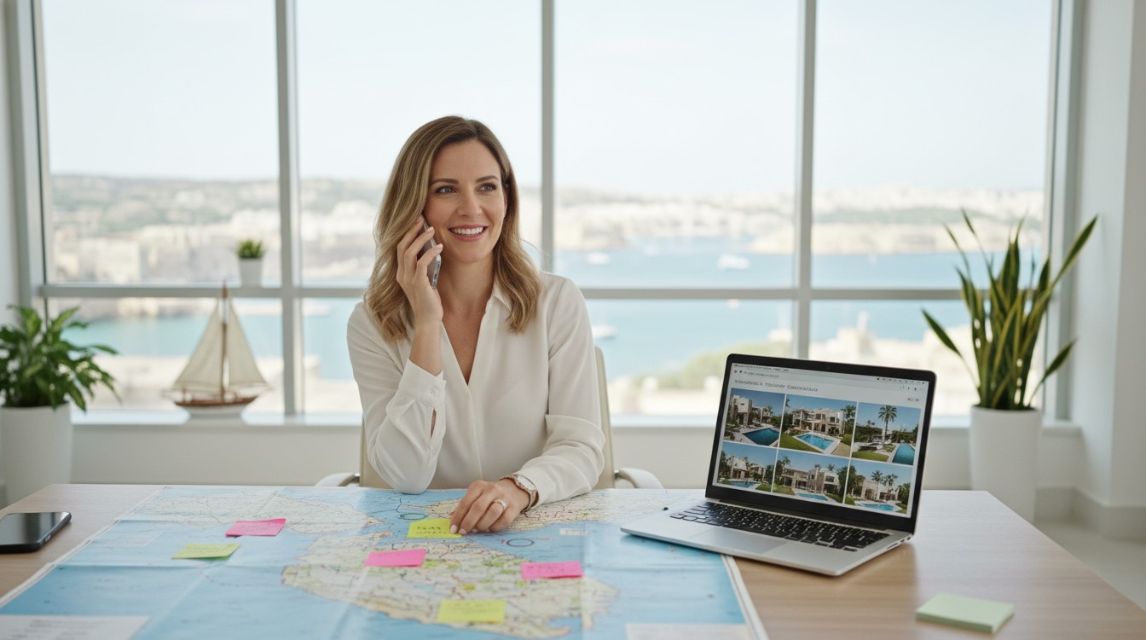
Transitioning from mass tourism to tailored, small-group travel requires a different approach to planning. While generic online platforms are excellent for booking a standard flight or a mid-range hotel, they often fail when it comes to the nuances of a tailored trip. True small-group travel requires a deeper local understanding of timing, coordination, and access.
Many EU travelers are now seeking guidance that exists outside the mass-tourism framework. They want a partner who understands the difference between a busy tourist spot and a hidden gem, and who can coordinate the logistics of a voyage groupe Malte without making it feel like a "package." Whether searching for an agence receptive Malte to handle on-the-ground details or a specialist organisateur de voyages de groupe à Malte,the goal remains the same: a seamless, private experience that feels entirely their own.
Final Thoughts
The shift toward private, small-group experiences is not a temporary fad; it is a long-term evolution in how we consume travel. Malta serves as a perfect case study for this experience-led Mediterranean movement. As travelers become more discerning, the value of thoughtful planning will continue to outweigh the simple act of "ticking off" attractions.
For those seeking vacances de luxe à Malte, the luxury is no longer found in the gold leaf of an hotel 5 etoiles all inclusive malte, but in the luxury of time, the luxury of silence, and the luxury of being surrounded only by those who matter most. By choosing an agence de voyage Malte that understands these subtle cultural shifts, travelers can ensure their stay is not just a trip, but a curated chapter of their own lives. To begin designing your own private, small-group escape, we invite you to contact us at Privilege Trips today.